Why psychotherapy?

When a person suffers from an anxiety disorder, it usually doesn’t go away on its own. We need to learn to change the ways of thinking and behaving that maintain it. What’s more, in the long term, anxiety can lead to exhaustion and sometimes even depression. To ensure a good quality of life, it’s important to acquire the tools needed to manage anxiety. Moreover, if the psychologist or doctoral student in psychology considers that there are possible alternatives to the psychotherapy offered, he or she will inform the client.

What are the main benefits of psychotherapy?

The benefits of psychotherapy include:

  • better understand the causes of these difficulties and, above all, the factors that maintain them
  • develop the ability to act on the factors that maintain difficulties in order to overcome them
  • express emotions without fear of being judged
  • acquire the tools needed to better manage stress, anxiety and negative emotions
  • develop new skills
  • improve self-esteem and self-confidence
  • improve quality of life

Are there any drawbacks to psychotherapy?

Depending on the individual, revisiting painful events in one’s life or confronting one’s fears can be inconvenient and uncomfortable. However, each customer’s pace is always respected. Exposure exercises designed to help you tame your fears are always very gradual. Customers are never forced to take a step they don’t feel ready for.
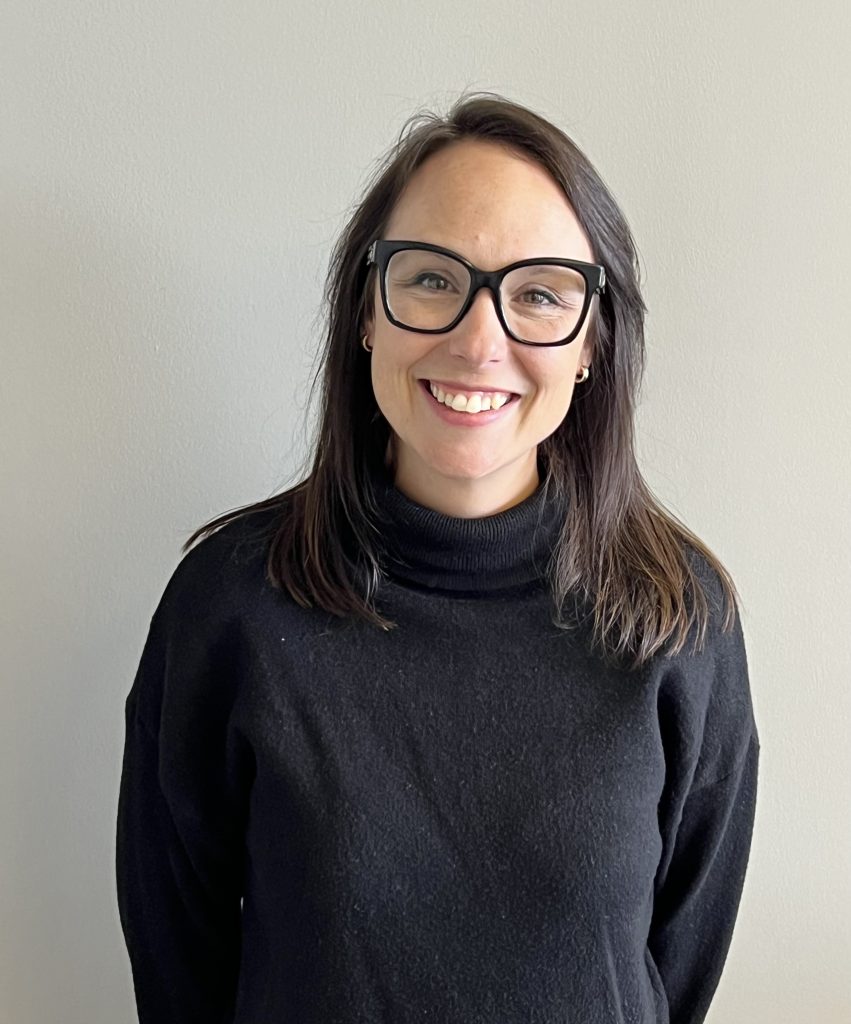
Megan Turgeon - Psychologie Anxiété Laval

Megan Turgeon

Doctorante en psychologie

Elle est présentement doctorante en psychologie à l’Université du Québec à Montréal (UQAM) et en voie de terminer son parcours universitaire.

Elle a effectué des stages dans différents milieux qui lui ont permis de travailler avec une clientèle enfant, adolescente et adulte. Dans son parcours, elle intervient avec des individus ayant des problématiques variées, telles que des troubles anxieux, des troubles de l’humeur, des troubles de personnalité et des difficultés personnelles et relationnelles.

De par son sujet de thèse, elle développe également une expertise en lien avec les enjeux liés à l’infertilité, à la procréation assistée et à la transition à la parentalité. Dans le cadre de sa pratique, il lui tient à cœur d’offrir un espace sécuritaire, centré sur le client pour ainsi accueillir ses difficultés et sa souffrance. 

Elle utilise l’approche cognitive comportementale ainsi que des techniques thérapeutiques issues de différentes approches psychologiques qui lui permettent de s’adapter aux besoins spécifiques de chaque personne qu’elle rencontre.

contactez-nous

Nous pouvons vous aider

Si vous êtes intéressé à consulter en psychothérapie, indiquez nous les informations suivantes et notre équipe vous contactera par courriel dans un délai d’environ 48 heures, jours ouvrables.